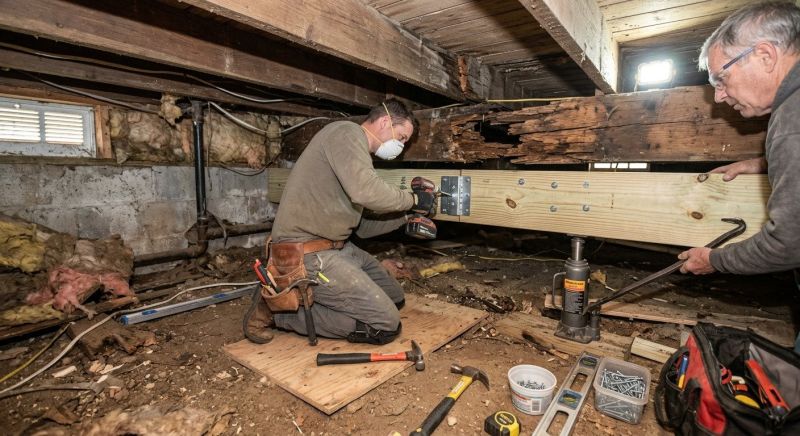
Sagging Floor Joist Repair in Wilmington, NC
Sagging floor joist repair services address issues where the supporting beams beneath a floor have become weakened or damaged, causing the surface to sag or feel uneven. This type of repair is commonly needed in residential properties experiencing floors that dip, creak, or feel unstable, often resulting from wood rot, termite damage, overloading, or settling over time. Projects can range from replacing individual joists to sistering or reinforcing existing ones, ensuring the floor structure regains stability and safety. Homeowners typically want to understand the extent of the damage, the recommended repair methods, and how the work might impact their living space before requesting services.
Before requesting sagging floor joist repairs, property owners should consider the signs indicating structural issues, such as noticeable dips, creaking sounds, or visible cracks in walls or floors. It’s also useful to know whether the damage is localized or widespread, as this influences the scope of work required. Understanding the age of the home, the history of moisture or pest problems, and any recent changes in the property’s load or usage can help inform the repair process. Clear communication about these factors can assist in planning effective repairs that restore the floor’s integrity and ensure long-term stability.
Many property owners in Wilmington, NC look into Sagging Floor Joist Repair for repairs, replacements, upgrades, and appearance-related improvements.
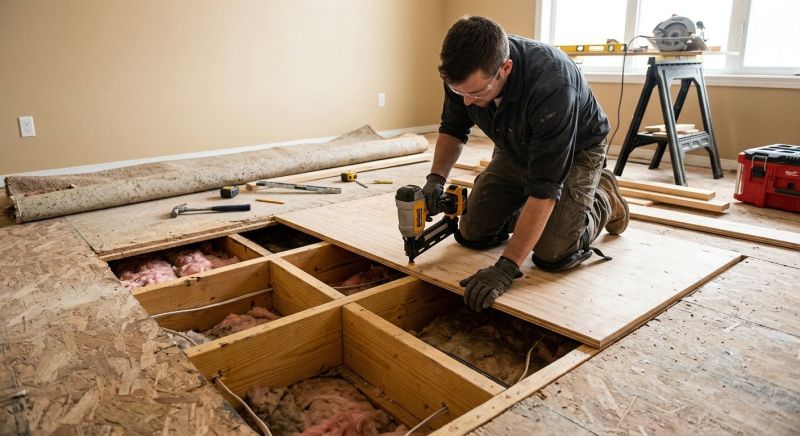
Identifying Sagging Floors
Signs of uneven or bouncing floors can indicate joist issues needing attention.
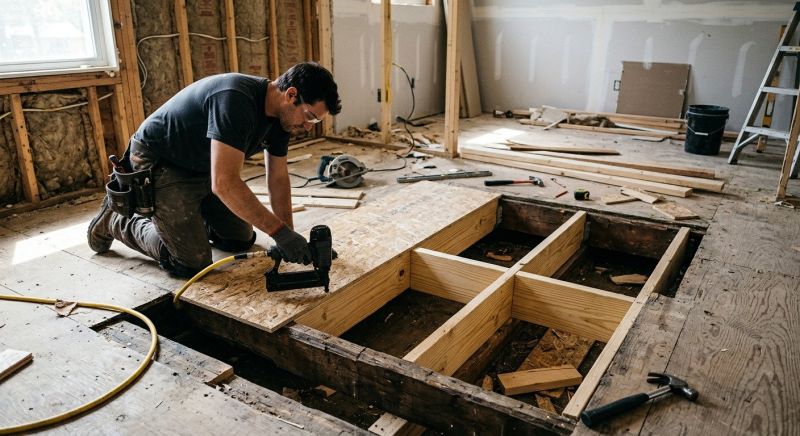
Common Causes Of Joist Sagging
Water damage, age, and heavy loads are typical factors that weaken floor joists over time.
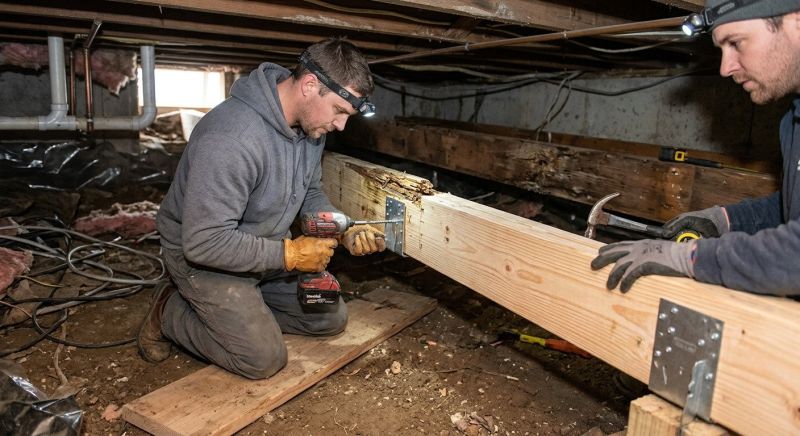
Repair Solutions For Sagging Joists
Reinforcing or replacing damaged joists restores safety and stability to your floors.
Sagging Floor Joist Repair in Wilmington, NC
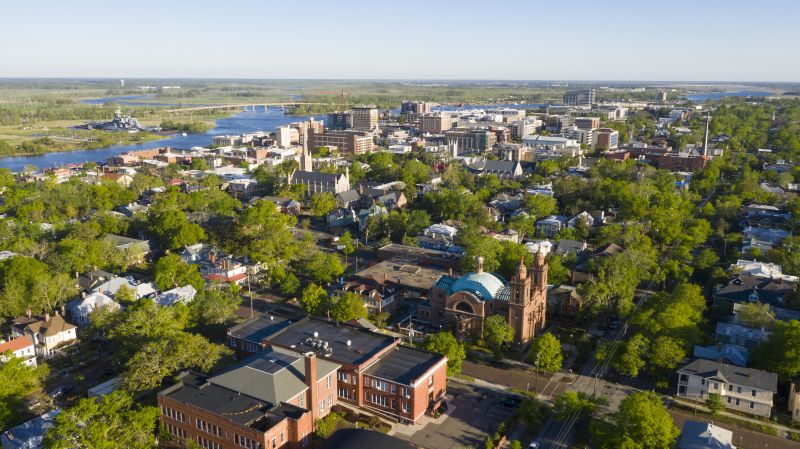
Sagging floor joist repair services address issues where the supporting beams beneath a floor have become weakened or damaged, causing the surface to sag or feel uneven. This type of repair is commonly needed in residential properties experiencing floors that dip, creak, or feel unstable, often resulting from wood rot, termite damage, overloading, or settling over time. Projects can range from replacing individual joists to sistering or reinforcing existing ones, ensuring the floor structure regains stability and safety. Homeowners typically want to understand the extent of the damage, the recommended repair methods, and how the work might impact their living space before requesting services.
Before requesting sagging floor joist repairs, property owners should consider the signs indicating structural issues, such as noticeable dips, creaking sounds, or visible cracks in walls or floors. It’s also useful to know whether the damage is localized or widespread, as this influences the scope of work required. Understanding the age of the home, the history of moisture or pest problems, and any recent changes in the property’s load or usage can help inform the repair process. Clear communication about these factors can assist in planning effective repairs that restore the floor’s integrity and ensure long-term stability.
Many property owners in Wilmington, NC look into Sagging Floor Joist Repair for repairs, replacements, upgrades, and appearance-related improvements.
Common Sagging Floor Joist Repair Jobs
Floor joist repair - addresses sagging or damaged floor supports for a level and stable surface.
Structural reinforcement - strengthens weakened joists to prevent further sagging or shifting.
Sagging floor correction - restores proper elevation and safety to uneven or dipping floors.
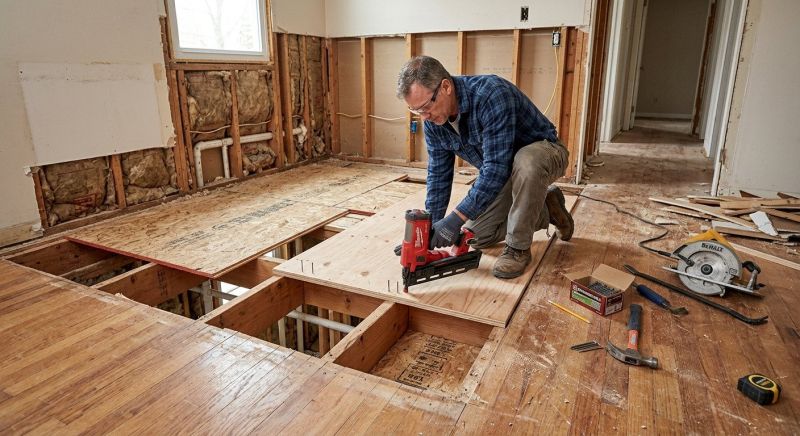
Joist replacement - removes and replaces severely damaged or rotten floor supports.
Foundation stabilization - secures the foundation to prevent ongoing joist issues caused by settling.
Inspection and assessment - identifies the cause of sagging floors to determine the best repair approach.
Sagging Floor Joist Repair Questions
What causes sagging floor joists? Sagging floor joists are often caused by wood rot, termite damage, or excessive load over time, weakening the support structure.
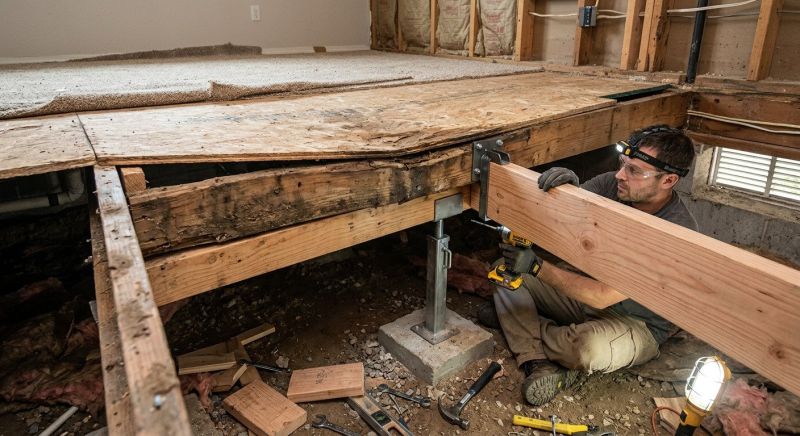
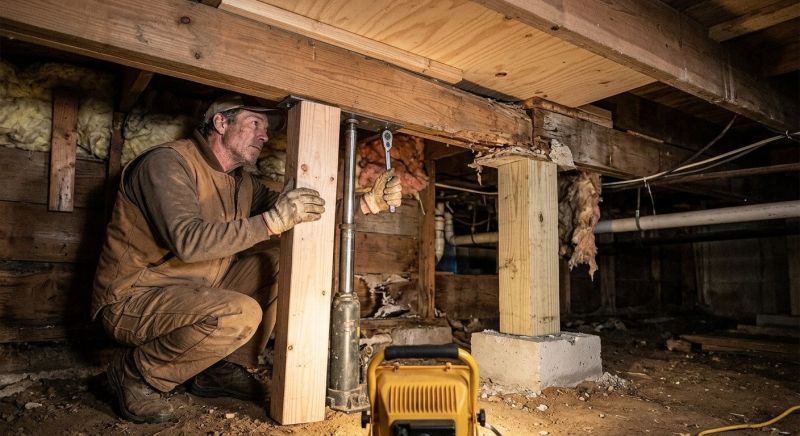
How can sagging floor joists be repaired? Repairs typically involve sistering new joists alongside existing ones, installing jacks for leveling, or replacing damaged sections to restore stability.
Is repair necessary for a sagging floor? Yes, addressing a sagging floor helps prevent further structural damage and ensures a safe, level living space.
What signs indicate a need for joist repair? Common signs include noticeable dips or slopes in floors, creaking sounds, or visible cracks in walls or ceilings nearby.
Request Sagging Floor Joist Repair in Wilmington, NC
Use the quote form on this page to share the basics of your project and request more information for the type of work you need.